
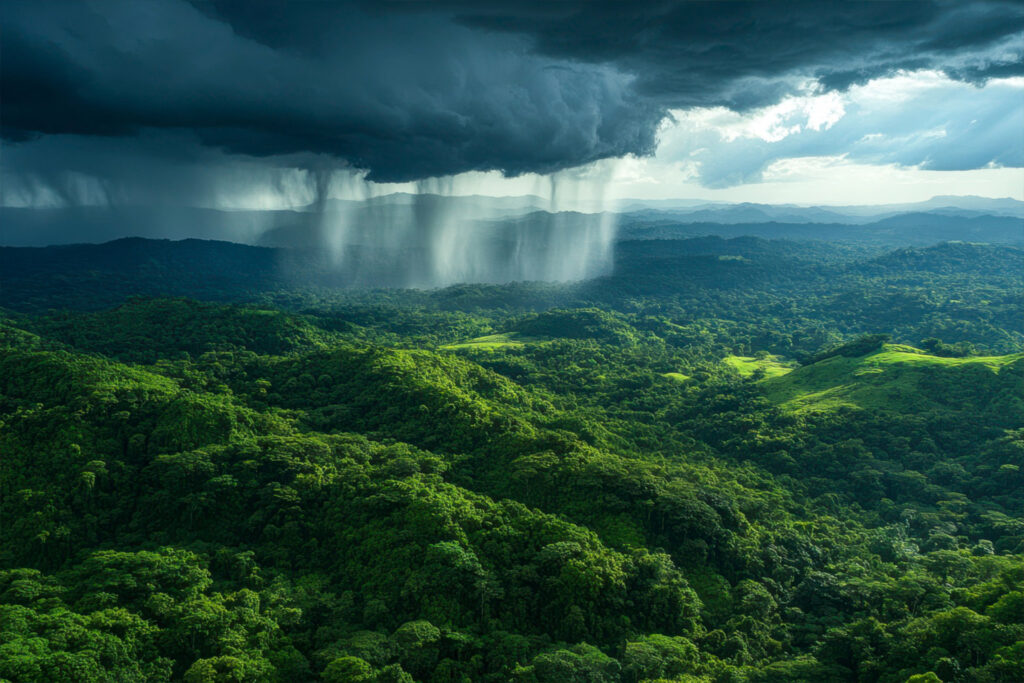
Understanding El Niño and Climate Variability
El Niño is a recurring climate phenomenon characterized by the warming of surface waters in the central and eastern Pacific Ocean, disrupting normal weather patterns across the globe. These shifts influence rainfall, temperature, and seasonal cycles, directly affecting agricultural productivity in both tropical and temperate regions.
“Climate variability, including El Niño, is one of the greatest challenges facing global food production today.”
— Food and Agriculture Organization
How El Niño Reshapes Agricultural Outcomes
One of the most significant effects of El Niño is uneven rainfall distribution, leading to droughts in some regions and excessive precipitation in others. These conditions disrupt soil moisture levels, reduce crop yields, and increase the risk of pests and plant diseases.


In addition, temperature anomalies associated with El Niño can stress crops, affect livestock health, and reduce water availability for irrigation, increasing production costs and operational risks for farmers.
Key Implications for Farmers and Agribusinesses
- Crop yield volatility increases due to unpredictable rainfall and temperature shifts.
- Water management and irrigation planning become critical operational priorities.
- Climate-resilient crops and adaptive farming practices gain importance.